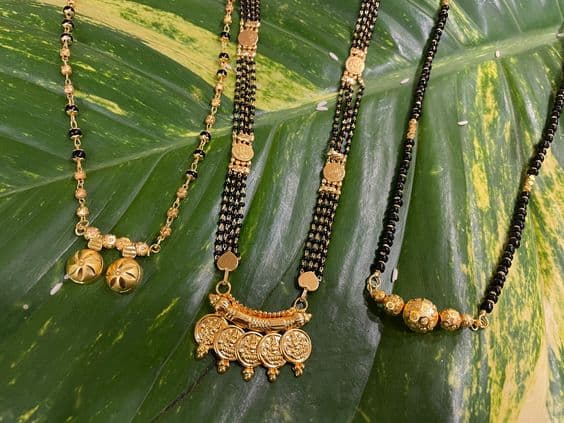
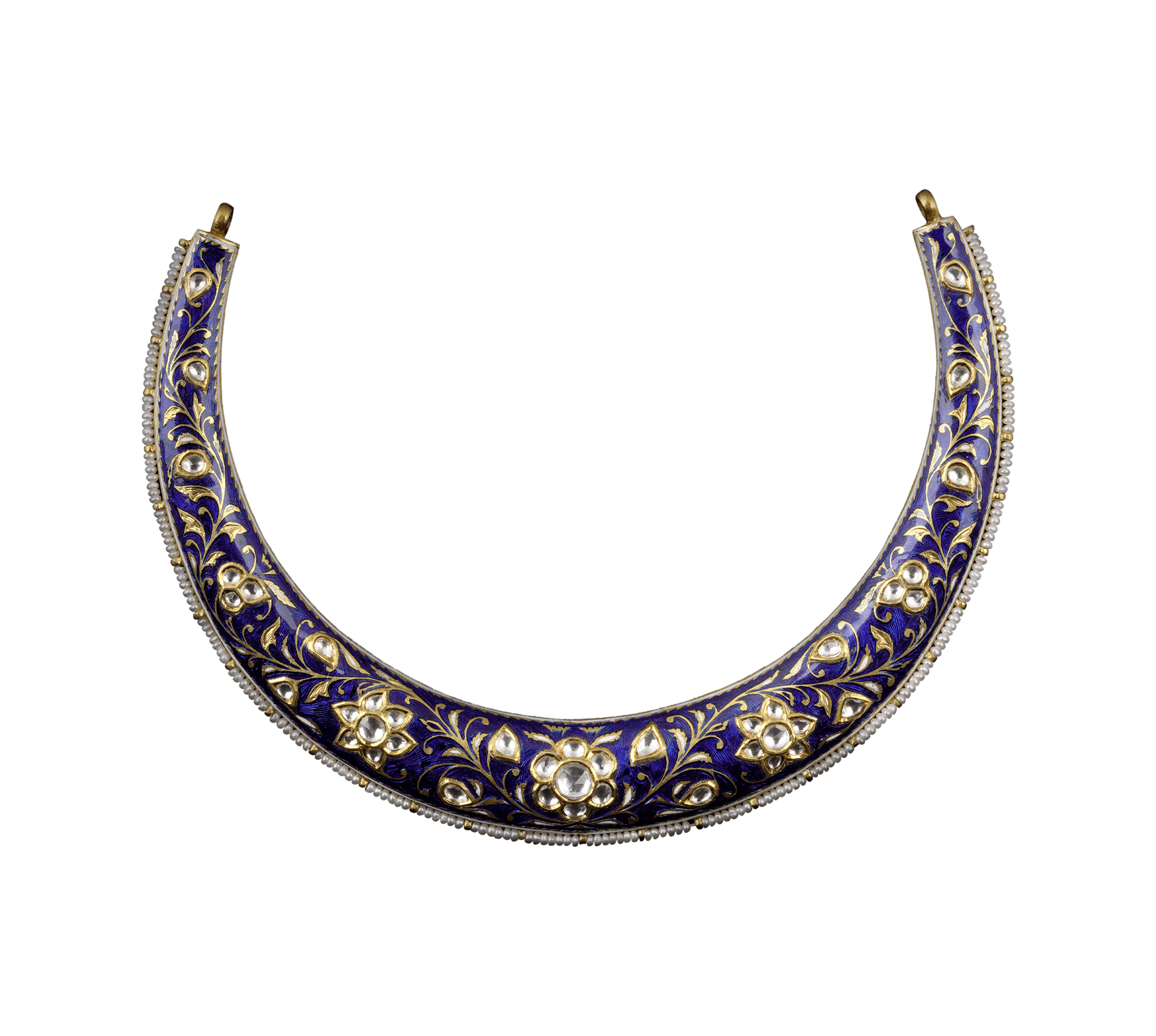
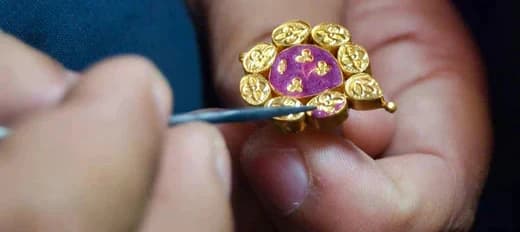
Jewellery – A Form of Expression
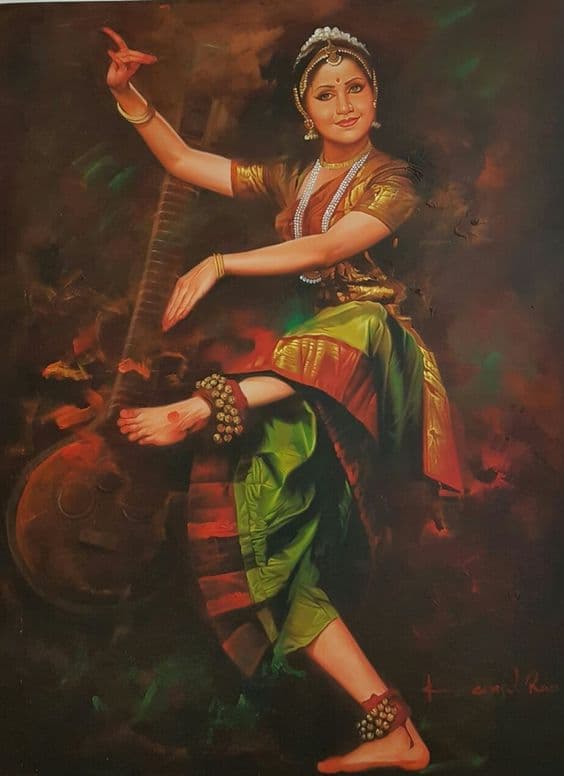
Dance and Jewellery – A Sacred Bond
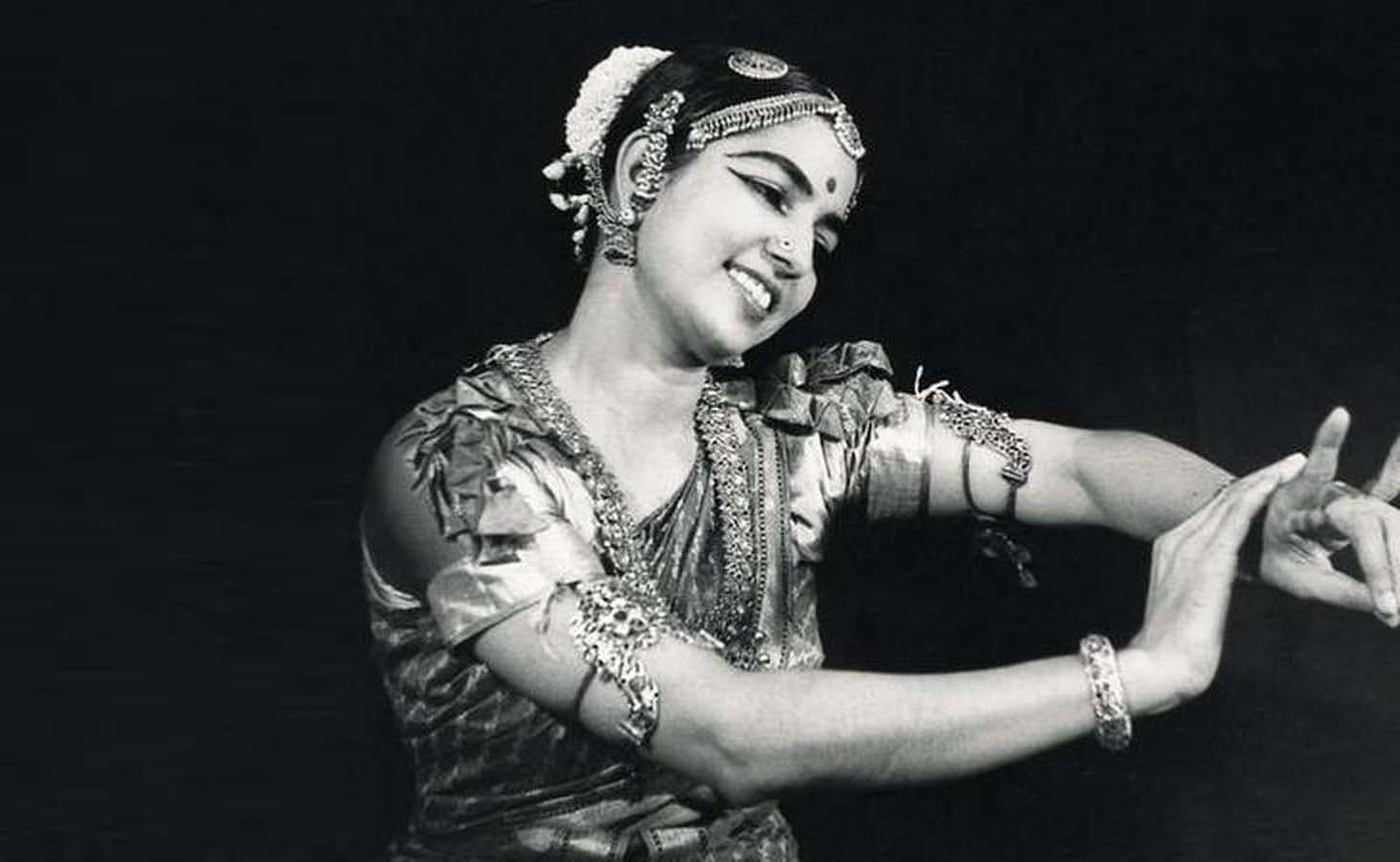
India is a land of rich diversity, culture, traditions, art, evolutions, celebration, and a lot more. The dance forms from Southern India — Bharatnatyam and Kuchipudi — are an interesting amalgam of the way a story is weaved and the dancers are adorned with beautiful costumes and South Indian Temple jewellery. In southern India, dance was practiced and shared through a community of dancers known as devadasis. Dance was one with the temples of India during the golden era of Devadasis. Started from a worship now it has become a form of expression in which the intricate jewellery plays an important part. Today temple jewellery is closely associated with Bharatanatyam and Kuchipudi dance forms.
The Origins of Temple Jewellery
The art of making temple jewellery originated around Nagarcoil in Tamil Nadu and was initiated by the Chola kings to adorn the deities of the South Indian temples. Pure Gold and Silver along with precious stones like ruby, emerald, and diamonds were used to craft ornaments for the idols. These ornaments were inspired by the rich architecture of the temples. The motifs of the temple like its pillars, arches, gopurams, even the gods and goddesses were replicated into jewellery — hence the name temple jewellery. The jewellery was made using a particular technique called Arakku (red wax) jewellery. Around the 12th century, to make this jewellery more affordable, a new technique called 'Kemp Jewellery' came into being.
A Modern Classic
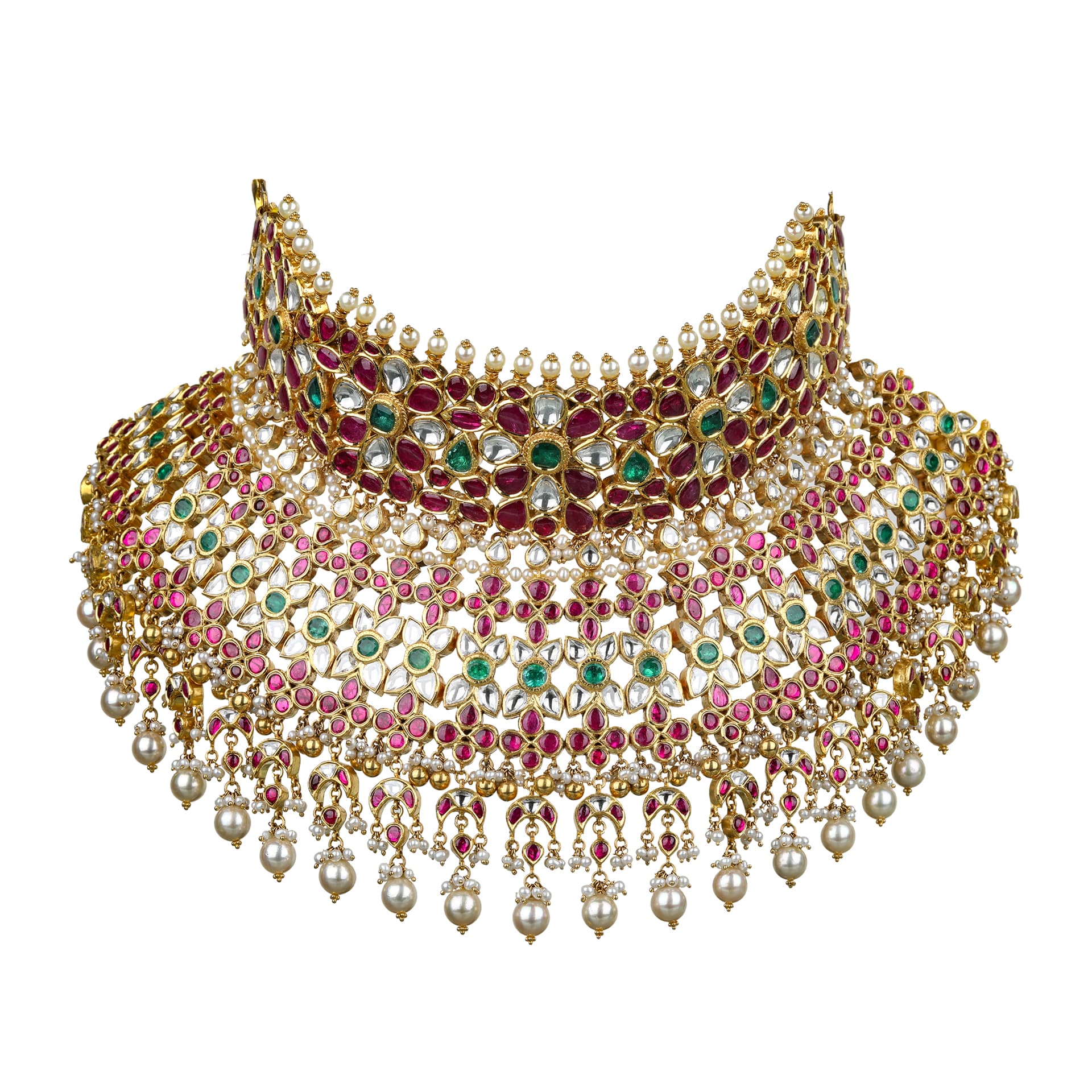
Inspired from the Rich South Indian Temple jewellery, this royal choker is a perfect take on mixing a traditional technique with a modern-day silhouette. This magnificent choker is beautifully crafted in 22kt gold and studded with Polkis, Emeralds, Rubies and Pearls.